The History of Kalanguya Tribe
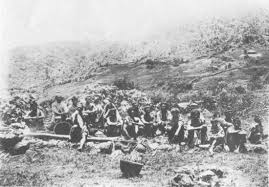
The Kalanguya are an Austronesian ethnic group with a core population in the Cordillera Administrative Region of the Philippines. The Kalanguyas occupy easthern Benguet as well as the western portions of the adjacent provinces of Ifugao and Nueva Viscaya. There is an oral history of Kalanguya origins that causes some people to think they are a sub-group of the Ifugao, but they are a distinct cultural group. The Kalanguya ethno-linguistic group, also known as Ikalahan or people from the forest, maintains a unique cultural identity through language, customs and traditions, although they have been separated into several provinces through political boundaries.
The Kalanguya have a rich tradition of folk music and dance which are essential parts of their cultural heritage. In additon, the Kalanguya people have a rich history and culture, and their traditional way of life revolves around agriculture, specifically cultivating rice and vegetables. They also engage in hunting, fishing, and gathering forest products. Kalanguya tribal leaders were known as "mambunong", who performed various roles such as healers, diviners, and shamans.
The exact origin of the Kalanguya people is not clearly documented, although it is believed that they migrated from Taiwan to the Philippines around 2,000 BC. Over the centuries, they have faced various challenges such as forced labor, land grabbing, and cultural assimilation.