Religious Beliefs and Rituals
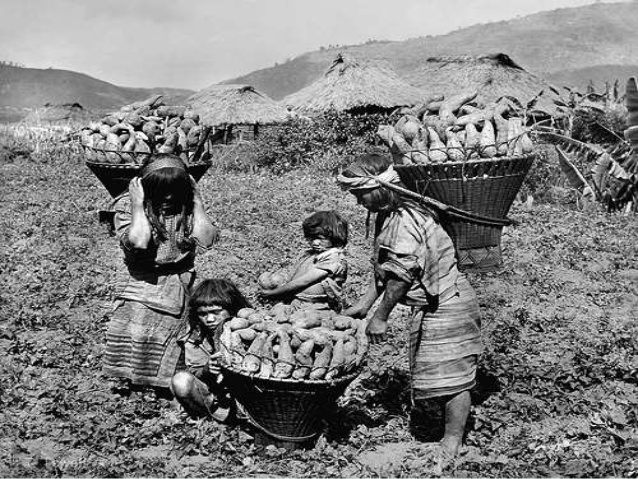
The religion of the Ibaloi's is that of polytheism and animism. They do not worship any god in the form of statues and carvings but they believe in spirits of ancestors whom they call amed and of a supreme being they generally call Kavuniyan or Kabunyan. The Christian God is called Shivus, who is believed to be the higher Supreme Being than the indigenous god, Kavuniyan.
Spirits and Deities
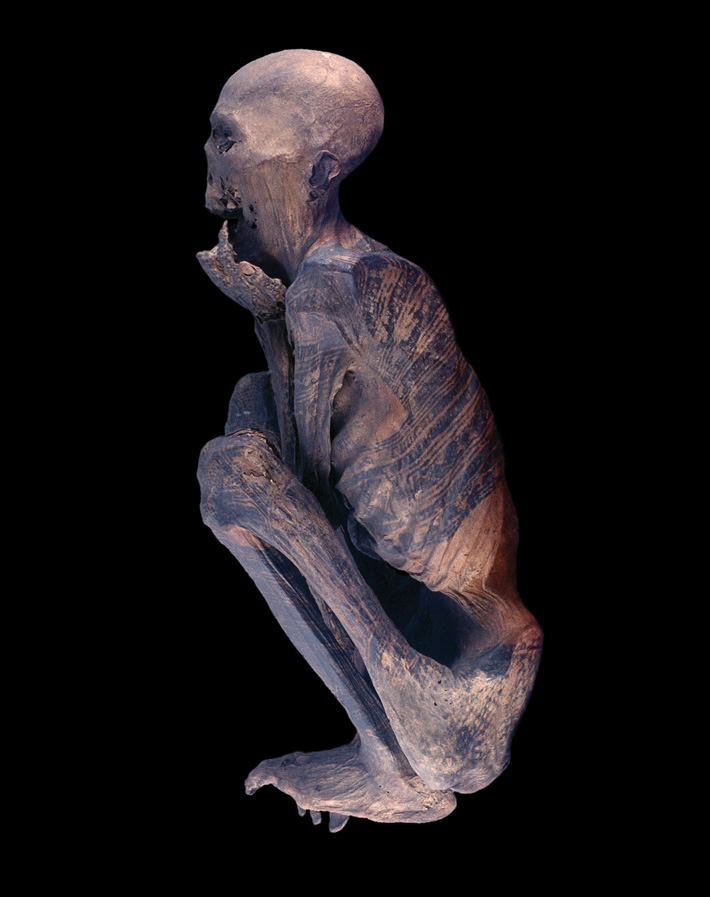
The Ibaloys believe in a number of anitos (spirits) and deities to whom they address their prayers and petitions in an appropriate ceremony. The anitos dwell in mountains, rivers, rocks, and trees and they are believed to cause illness or misfortune to an individual who destroys or disturbs their abode. The people hold feasts or ceremonies and make offerings to the spirits in order to appease them. Two kinds of anito are known to the Ibaloys-the nature spirits that always create disasters or calamities and the ancestral spirits (ka-apuan). The ka-apuan appear in dreams or make a member of the family sick to make known their wishes. Ceremonial offerings are likewise accorded these spirits.
Traditional Tattoo
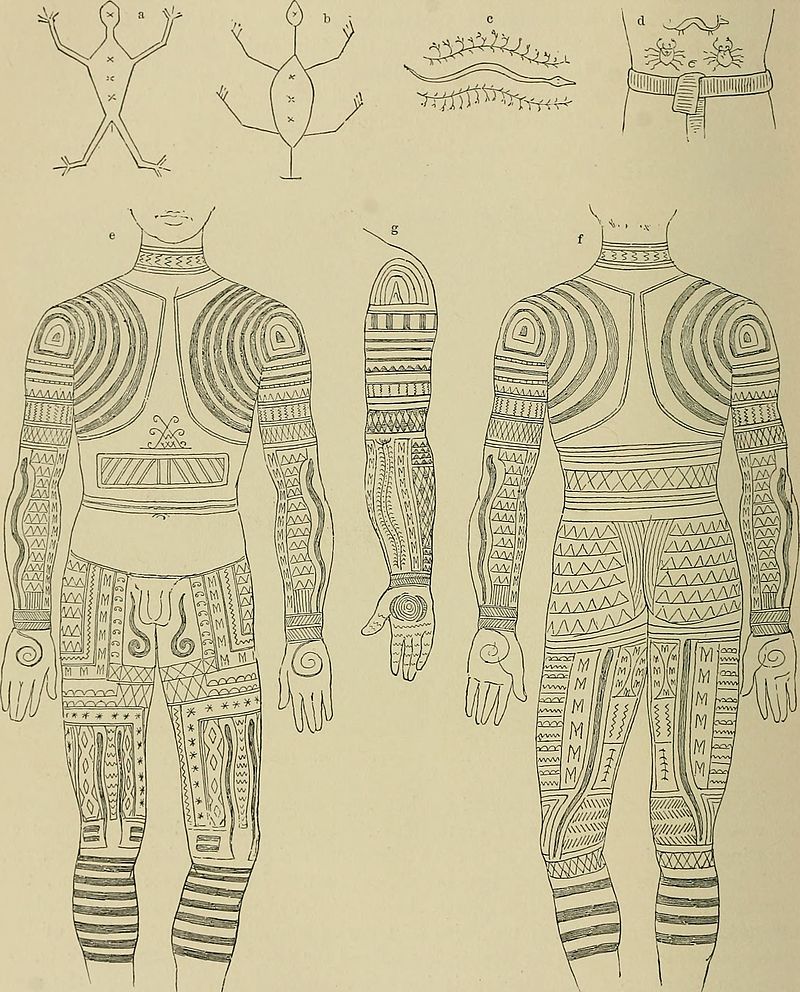
Among the Ibaloi and Itneg people (also called the “Tingguian”), tattoos are known as "burik". It is practiced by both men and women, who were among the most profusely tattooed ethnic groups of the Philippines. Burik traditions are not prevalent today as only few knew how to perform it. The most characteristic burik design was the wheel-like representation of the sun tattooed on the backs of both hands. The entire body was also tattooed with flowing geometric lines, as well as stylized representations of animals and plants.