The History of Ibaloi Tribe
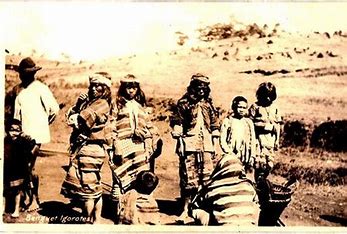
The Ibaloi, also known as the Nabaloi, are an indigenous ethnic group in the northern Philippines. The Ibalois live in the southeastern two-thirds of Benguet, specifically in the municipalities of Kabayan, Bokod, Sablan, Tublay, La Trinidad, Tuba, and Itogon, as well as the southern parts of Kapangan and Atok (CSG 2003). They have a rich culture that predates the arrival of the Spaniards or any other foreigners in the Philippines. The Ibaloi are scattered throughout the mountain valleys and villages. Their forefathers are most likely from the Lingayen and Ilocos coasts, and they moved into the Southern Cordillera range before establishing. Ibaloi communities have ancestral land claims in sections of Baguio.
Early Ibaloy agricultural and habitation patterns were determined by the Agno, Amburayan, Balili-Naguilian, and Galiano rivers. According to a 1582 Spanish expedition report, Benguet had tilled plains and an abundance of gold extracted. Gold extraction was a major reason for the early settlement of the Benguet highlands. The discovery of jars, plates, beads, and brass gongs that were traded for gold and other goods demonstrates that the Ibaloy had contact with foreign traders prior to the arrival of the Spanish. Rice did not appear to be a staple food until recently; a 1624 expedition reported eating yams, sweet potatoes, taro, maize, sugarcane juice, and sugarcane wine instead. During an expedition in 1829, no rice paddies were discovered.
The Ibaloi are famous for their ancient tradition of mummification, the Benguet people believe in supreme beings and spirits that guide their way of living as well as their future. Several mummified remains were discovered enshrined in different caves in the Cordillera Mountain in the early twentieth century. Scientists believe the corpses were encased in oval-shaped coffins dating between 1200 and 1500 CE. The mountain is revered and is said to be home to ancient spirits. To pacify these ghosts, the villagers make offerings and perform ceremonies. The municipality of Kabayan, which is known as the hub of Ibaloi culture, holds the mummies of the departed Ibalois.